Between work, parenting, household responsibilities, and the endless mental to-do list, it's easy to feel like you're constantly "on." While we can't always remove the stress in our lives, we can learn to respond to it differently.
Yoga offers more than a physical workout. It provides an opportunity to slow down, reconnect with your body, and create moments of calm in the middle of a busy day.
Here are five ways a regular yoga practice can help support an overwhelmed nervous system.
1. It Encourages Slower, More Intentional Breathing
When we're stressed, our breathing often becomes quick and shallow without us even noticing. This can contribute to feelings of tension and make it harder to relax.
Many yoga practices encourage slow, steady breathing throughout movement. Bringing awareness to your breath can help you pause, focus on the present moment, and create a greater sense of ease.
You don't need an hour-long practice to experience this. Even taking a few slow, intentional breaths while showering or doing the dishes can help you reconnect with your body during a busy day.
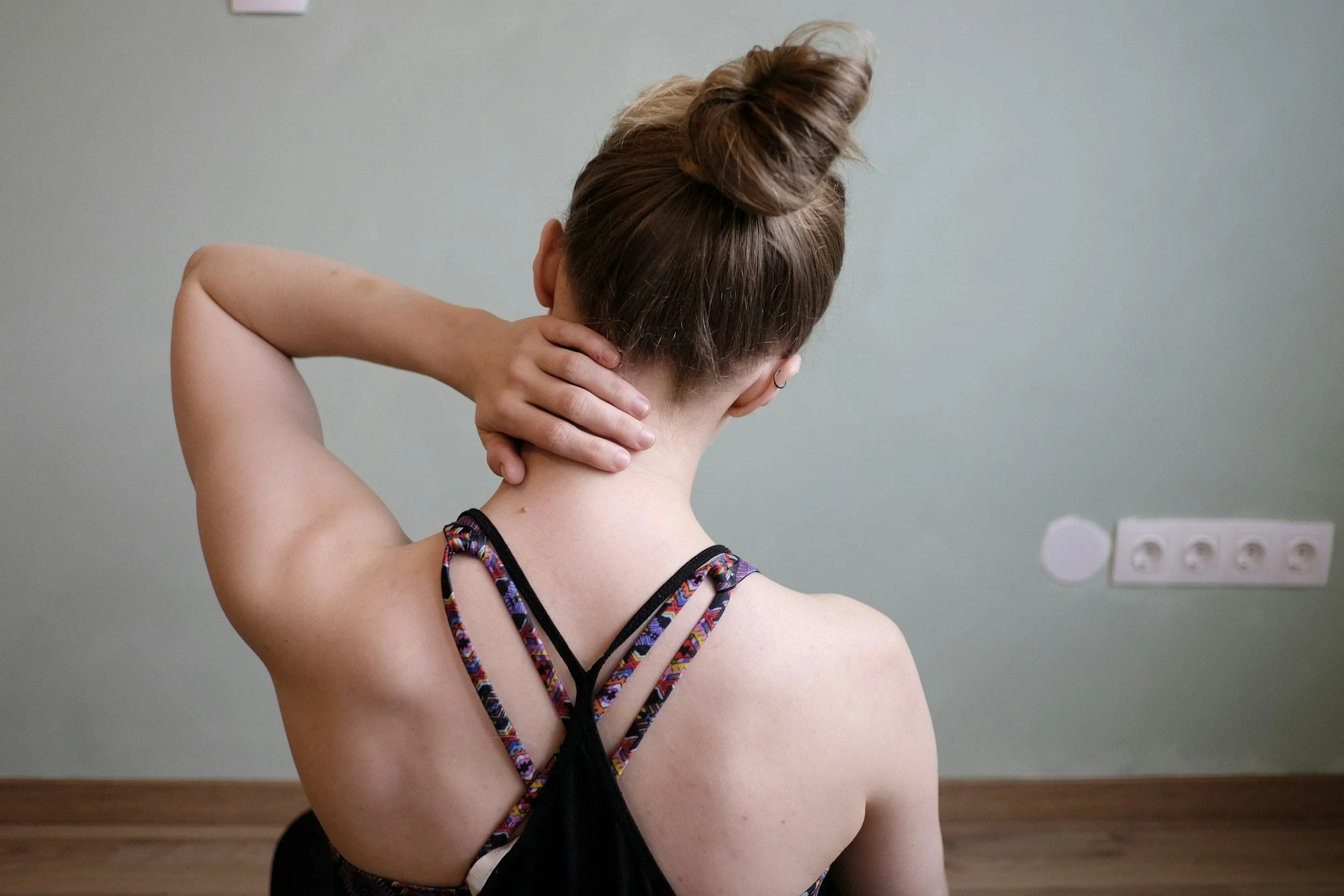
2. It Helps Release Physical Tension
Stress doesn't only affect the mind—it often shows up in the body.
You might notice tension in your:
Neck
Shoulders
Jaw
Back
Hips
Gentle yoga encourages mindful movement through these areas, helping you notice where you're holding unnecessary tension.
As you move and breathe, you may begin to feel more comfortable, mobile, and relaxed.
3. It Creates Space to Slow Down
Modern life often encourages us to do more, move faster, and stay productive.
Yoga invites you to do something different.
Rather than rushing from one task to the next, your practice becomes a dedicated space to pause. Even ten or twenty minutes without distractions can help you reconnect with yourself and bring your attention back to the present.
Sometimes the most restorative part of yoga isn't the poses—it's simply giving yourself permission to slow down.
4. It Builds Awareness of Your Body
It's easy to move through the day on autopilot.
Yoga encourages you to notice how you're feeling, how you're breathing, and what your body needs in the moment.
Over time, this awareness can help you recognize signs that you may need rest, movement, hydration, or a few quiet moments before stress begins to feel overwhelming.
Developing this connection with your body is a skill that extends far beyond your yoga mat.
5. It Supports Consistent Self-Care
Many people think self-care has to involve long routines or expensive retreats.
In reality, self-care can be much simpler.
Rolling out your yoga mat for fifteen or twenty minutes is a way of reminding yourself that your well-being matters too.
Small, consistent practices often have a greater impact than occasional perfect ones.
Instead of waiting for the "right" time, allow your practice to meet you exactly where you are today.
You Don't Need a Perfect Practice
One of the biggest misconceptions about yoga is that you need to be flexible, experienced, or have lots of free time.
The truth is, yoga is about showing up—not showing off.
Some days your practice might be energetic. Other days it might be five quiet minutes of stretching and breathing.
Both are valuable.
Progress isn't measured by how advanced your poses look. It's measured by your willingness to care for yourself with patience and consistency.
Final Thoughts
An overwhelmed nervous system doesn't usually settle overnight, and yoga isn't a quick fix for life's challenges. But creating regular moments to move, breathe, and slow down can become a meaningful part of caring for your overall well-being.
Whether you're brand new to yoga or returning after a break, remember that every practice counts. You don't need perfection to experience the benefits—you simply need a place to begin.
If you're looking for beginner-friendly yoga resources designed to fit into real life, subscribe below and receive my free guide, 5 Foundational Poses: A Beginner Guide, created to help you build confidence, move with intention, and create a sustainable practice—one step at a time.